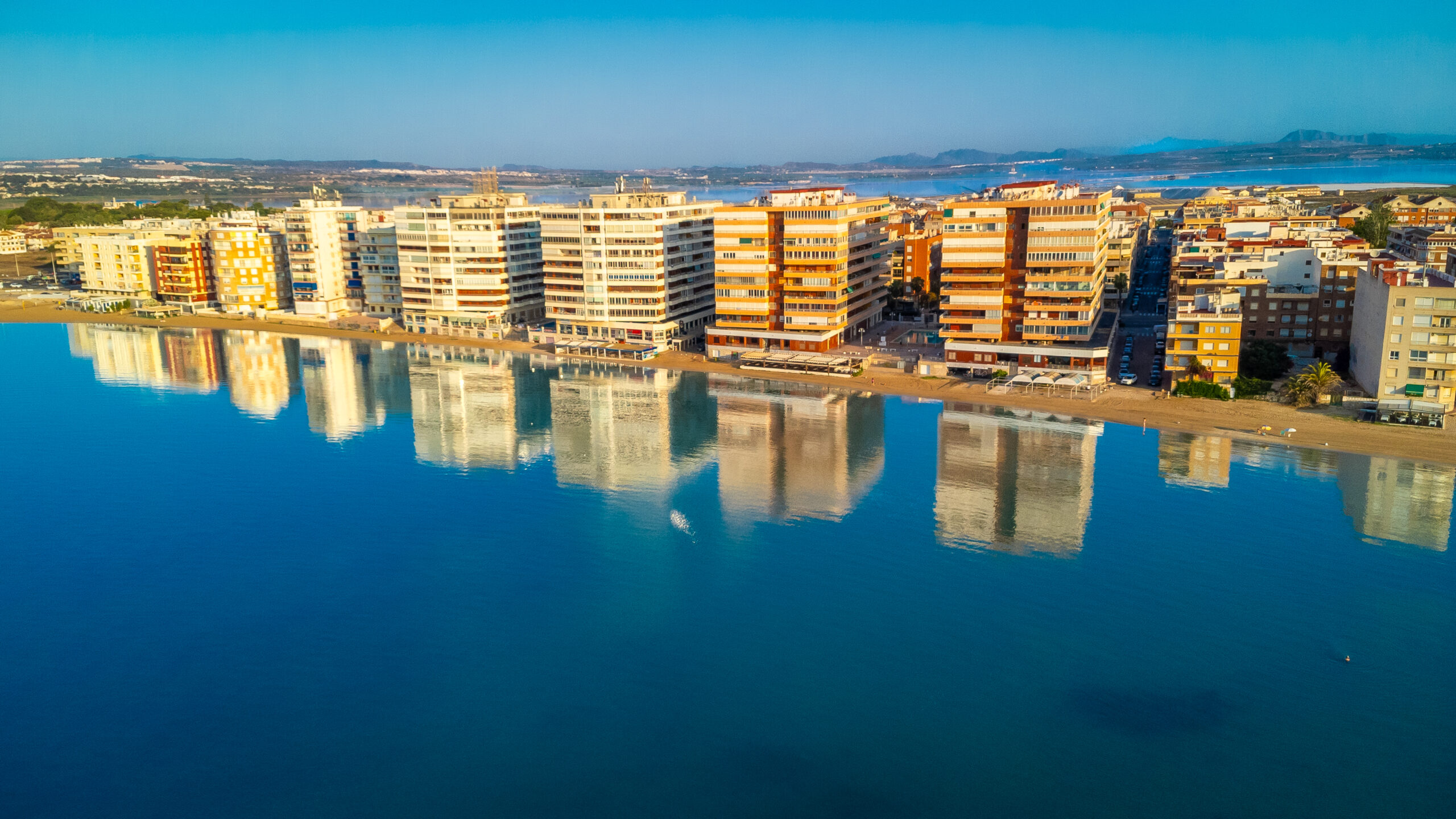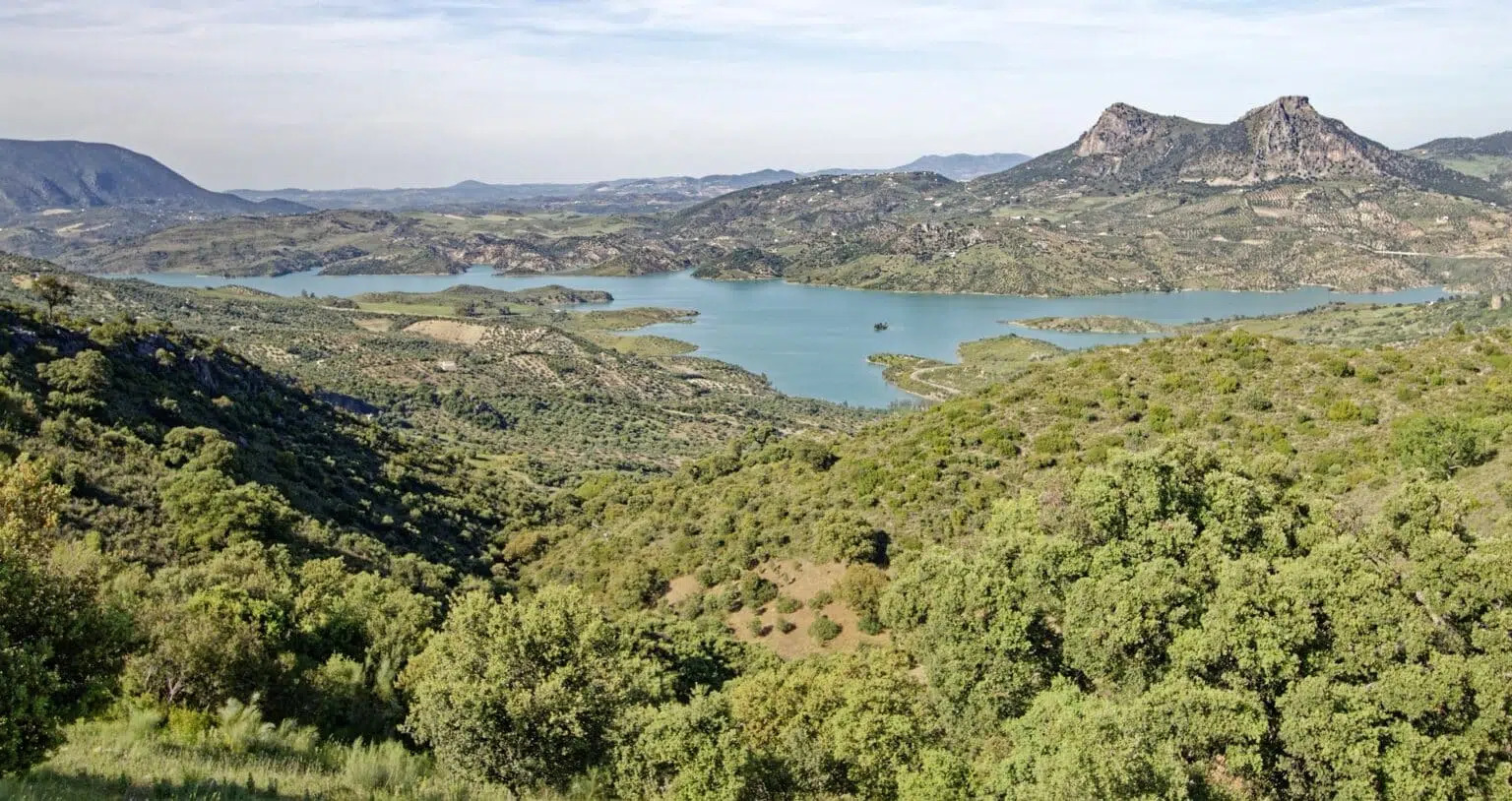
The Costa Blanca is much more than just idyllic beaches and summer tourism. Hidden away in the inland areas of the province of Alicante lies one of Spain’s oldest and most fascinating winemaking traditions. With a heritage dating back to the Phoenicians and Romans, the Alicante Designation of Origin (D.O. Alicante) produces wines with a distinctive Mediterranean character, shaped by abundant sunshine, low rainfall and limestone soils that give every glass its own unique personality.
Below, we explore the origins of these remarkable wines, the grape varieties that make them unique, the region’s must-visit wineries, and the wine tourism experiences you can enjoy in the Valencian Community.
Origin and History: D.O. Alicante
D.O. = Designation of Origin
The history of wine in Alicante stretches back more than 3,000 years. The Phoenicians introduced vines to the Iberian Peninsula via the Alicante coastline, and later the Romans consolidated vine cultivation throughout the region. However, it was during the Middle Ages and the Renaissance that Alicante wines gained worldwide recognition. Kings, noblemen and historical figures such as William Shakespeare, Alexandre Dumas and the Sun King (Louis XIV) all fell under the spell of Alicante’s wines, particularly the legendary Fondillón.
Officially recognised in 1932, D.O. Alicante is mainly divided into two distinct sub-regions, each with its own climate and terrain that favour different grape varieties:
- Marina Alta: Located in the north, close to the coast, Marina Alta enjoys a milder, more humid climate. It is the undisputed home of the white Muscat of Alexandria grape.
- Vinalopó: Further inland and to the south (Villena, Monóvar and Pinoso), the climate becomes drier and more continental. Here, the Monastrell grape dominates the landscape.
The Different Styles of Wine: The Soul of the Costa Blanca
If you’re planning to taste wines in this region, it’s worth getting to know the native grape varieties that define its identity. The Costa Blanca offers everything from fresh, aromatic white wines to full-bodied reds and historic fortified-style dessert wines.
| Grape Variety | Wine Style | Aromas and Food Pairing |
| Monastrell | Powerful red wines, structured rosés and Fondillón. | Aromas: Ripe black fruit, thyme and earthy notes. Perfect with: Red meats, hearty stews and traditional rabbit rice dishes. |
| Muscat of Alexandria | Dry whites wines, sweet wines and mistelas. | Aromas: White flowers, orange blossom, citrus fruits and honey. Perfect with: Desserts, blue cheeses, or served chilled as an aperitif. |
| Garnacha Tintorera | Deeply coloured, full bodied red wines (its flesh is naturally red). | Aromas: Forest fruits, spices and firm tannins. Perfect with: Grilled meats and traditional cured meats. |
Fondillón: The Jewel in the Crown
It would be impossible to talk about Alicante without dedicating a chapter to Fondillón, the first naturally aged wine to receive official recognition from the European Union.
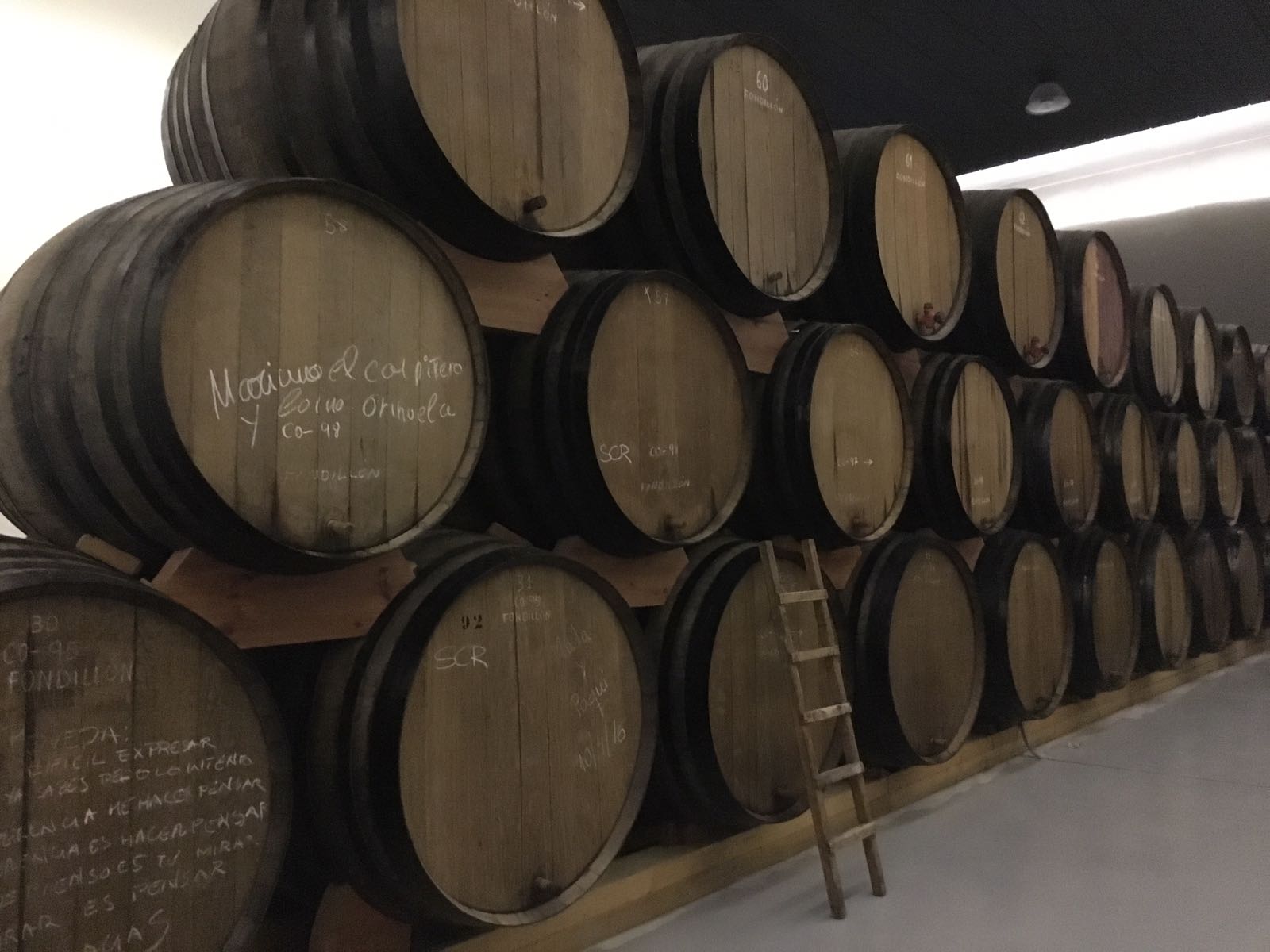
Unlike Port or Sherry, Fondillón is not fortified (no alcohol is added). Its naturally high alcohol content (minimum 16%) is achieved by allowing Monastrell grapes to over-ripen on the vine until they are almost raisins. The wine then undergoes a slow fermentation using indigenous yeasts before being aged oxidatively for a minimum of ten years in centuries-old oak barrels, following the traditional solera system.
- In the glass: Rich mahogany and amber hues with copper highlights.
- On the palate: A perfect balance of sweetness and acidity, with notes of figs, dates, carob, walnuts and roasted aromas.
- The perfect pairing: Dark chocolate, Jijona nougat, mature cheeses or traditional salted delicacies such as mojama and cured fish roe.
The Region’s Most Renowned Wineries
The Costa Blanca is home to wineries ranging from small, family-run estates to large, state-of-the-art wine producers. These are some of the region’s most renowned wineries, all of which have helped put Alicante firmly on the international wine map.
- Enrique Mendoza Winery (Alfaz del Pi / Villena): A pioneer in the modernisation of Alicante wines during the 1990s, Enrique Mendoza introduced international grape varieties such as Cabernet Sauvignon, Merlot and Shiraz, proving they could thrive in Alicante’s unique terroir. Today, however, the winery is particularly acclaimed for its exceptional Monastrell wines produced at Finca El Chaconero in Villena.
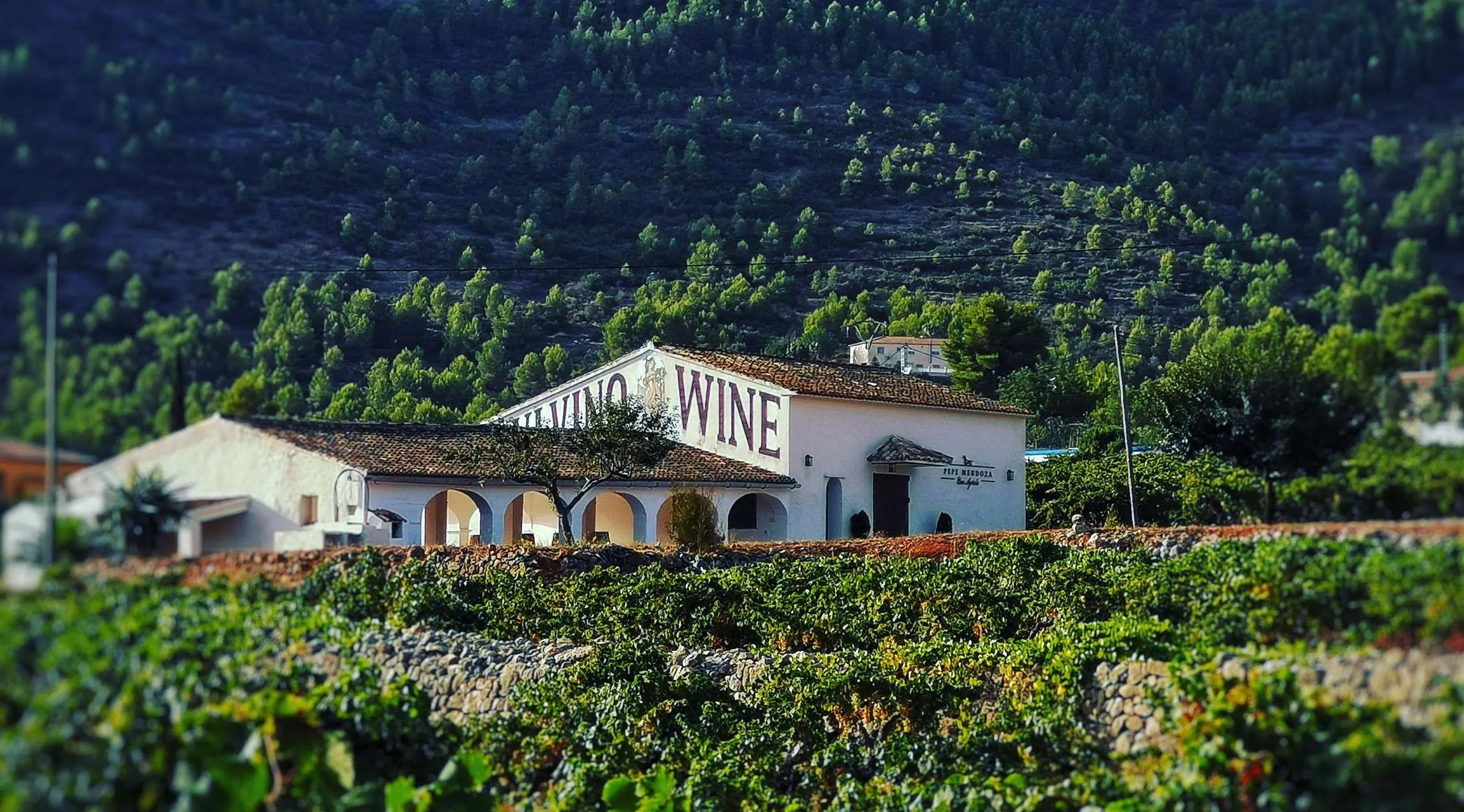
- Casa Agrícola Pepe Mendoza (Llíber, Marina Alta): The personal project of Pepe Mendoza, one of Spain’s leading winemakers, Casa Agrícola focuses on minimal intervention and absolute respect for native grape varieties, including Muscat of Alexandria, Giró and Monastrell. The result is a collection of small-production wines with a strong Mediterranean identity and genuine artisanal character.
- Monóvar Winery (Monóvar): Part of the MGWines group, Bodegas Monóvar is considered the spiritual home of Fondillón. It houses the world’s largest and oldest collection of Fondillón barrels, some of which have been ageing for more than fifty years.
- Francisco Gómez Winery (Villena): Renowned for its impressive facilities and unwavering commitment to organic and biodynamic farming, Francisco Gómez produces not only outstanding wines but also premium extra virgin olive oils. Its spectacular underground cellars are well worth a visit.
- Xaló Winery (Xaló): Located in the heart of the Marina Alta, this cooperative winery is a must for lovers of white and sweet wines. Its famous Mistela de Xaló, made from Muscat of Alexandria grapes, has become an icon throughout the Valencian Community.
- Bodegas Finca Collado (Salinas): Set within a beautifully restored country estate surrounded by vineyards, olive groves and almond trees, Finca Collado produces distinctive wines that express the character of its challenging, mineral-rich soils. The winery is also committed to reviving forgotten grape varieties and traditional winemaking techniques.
Wine Tourism: Experiences and Wine Routes
The Alicante Wine Route is an initiative that brings together wineries, restaurants, accommodation providers and leisure companies to offer visitors a complete wine tourism experience. Today’s wineries offer far more than just wine, they provide unforgettable experiences.
1. Guided Tours and Wine Tastings
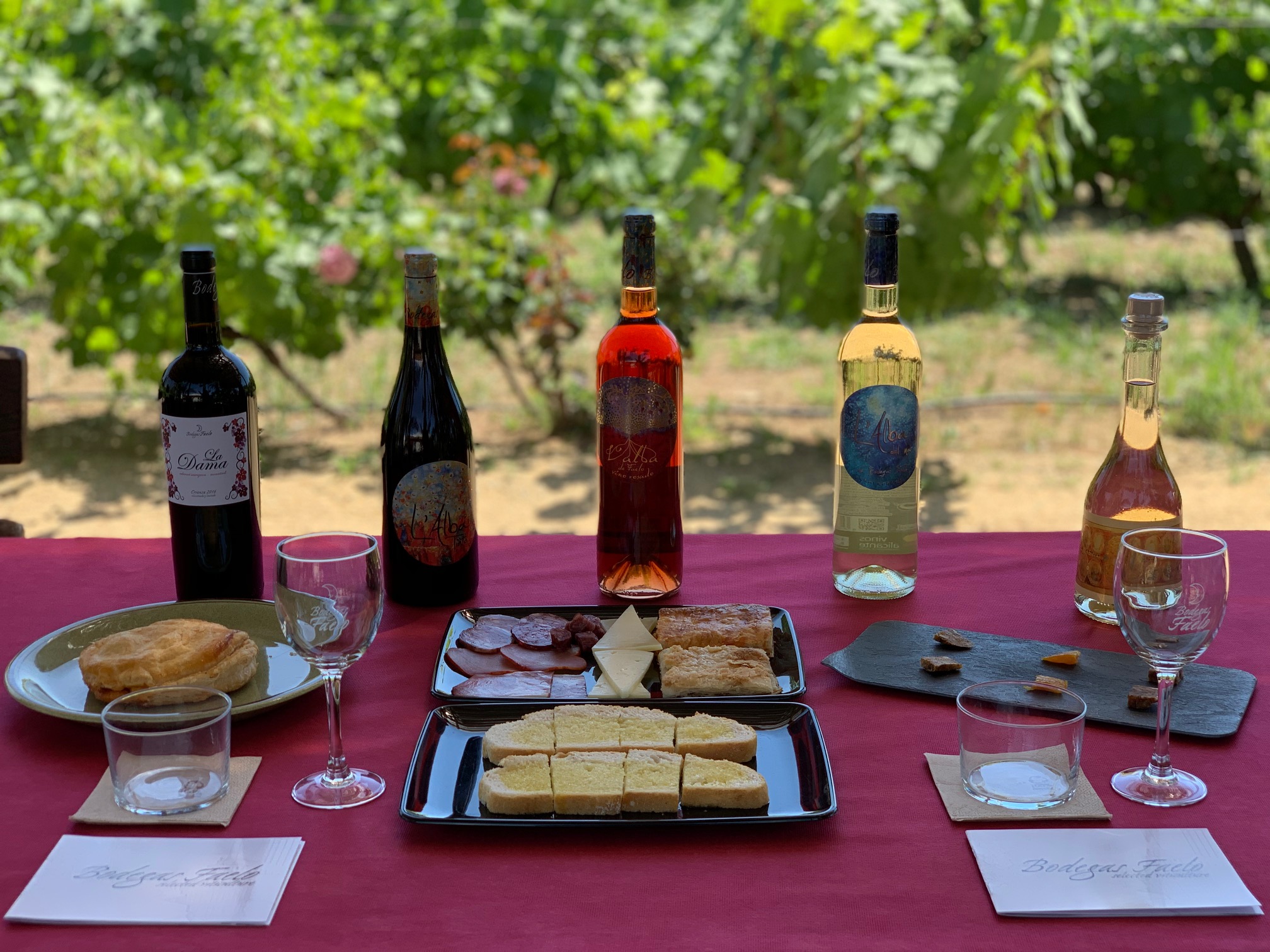
Almost all of the wineries mentioned above offer guided tours of their facilities, explaining every stage of the winemaking process, from the arrival of the grapes through to bottling. The experience usually concludes with a guided tasting of three or four wines, accompanied by local delicacies such as Pinoso cured meats, artisan cheeses and Marcona almonds.
- Recommended experience: Enrique Mendoza’s Barrel Tasting in Alfaz del Pi is one of the most informative and sought-after wine experiences in the region.
2. Active Wine Tourism and Nature Experiences
For those looking for more than a traditional tasting session, many wineries organise outdoor activities among the vineyards.
- Picnic among the vineyards: Wineries such as Finca Collado offer the chance to enjoy a traditional Alicante picnic surrounded by vineyards, relaxing beneath the shade of ancient olive trees.
- Cycling and Horse Riding Routes Local adventure companies organise cycling and horse-riding routes through the Vinalopó Valley, stopping at various wineries along the way so visitors can recharge with a glass of local wine.
3. Gastronomy and Wine Pairing
The Costa Blanca is renowned for its outstanding gastronomy. Several wineries have restaurants on their own estates (such as Casa Sicilia Winery in Novelda and Masos in Guadalest), where they offer tasting menus specially created to pair with their wines. Here, you can enjoy authentic arroz al sarmiento (rice traditionally cooked over vine cuttings), perfectly paired with a fine Monastrell red wine.
4. Discover the World of Fondillón and Olive Oil
In wineries such as Francisco Gómez or Bodegas Monóvar, visits reach a premium level. You will be able to stroll through the “Sacristía” (the room where the centenary barrels of Fondillón rest), learn how to taste extra virgin olive oil (EVOO) and taste historic wines that are extracted directly from the barrel in front of you.
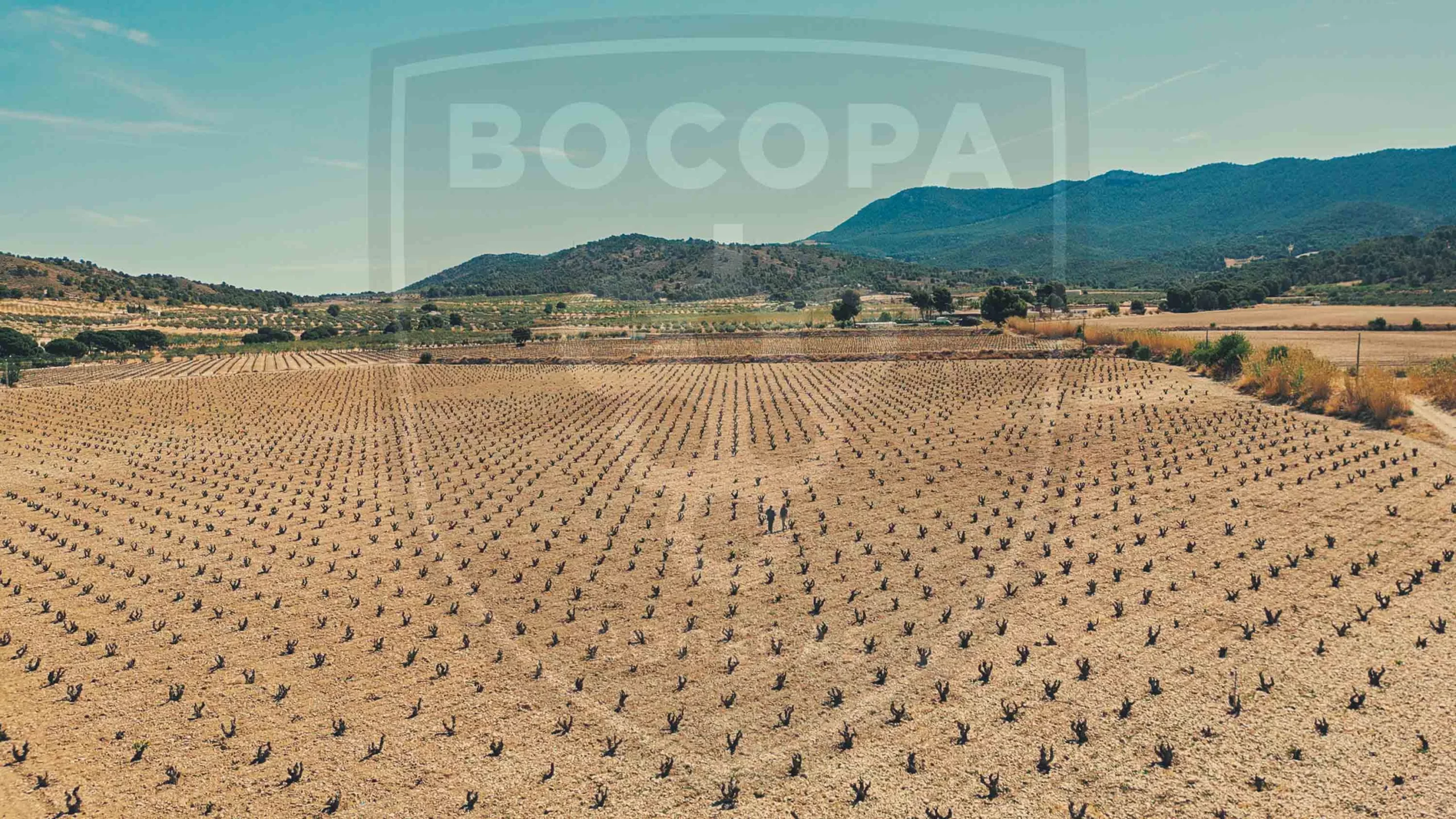
We couldn’t finish this article without mentioning the wines produced by Bodegas Bocopa. They are originally from the province of Alicante, with their main facilities located in the town of Petrer (in the region of Medio Vinalopó).
winery with a single estate. Instead, it was founded in 1987 as a second-tier cooperative, bringing together several local cooperative wineries from different areas of the province, including La Romana, Cañada and Castalla, among others. By joining forces, they oversee a significant proportion of the region’s vineyards, enabling them to produce wines under the D.O. Alicante designation.
Among their most renowned wines are:
- Marina Alta: Their flagship white wine, made from Muscat of Alexandria grapes. It is one of the best-known and most widely enjoyed white wines in Spain, thanks to its fresh, fruity character.
- Laudum: A range of more complex red and white wines, produced mainly from Monastrell and Chardonnay grapes, presented in a distinctive bottle inspired by a classical Roman column.
- Marina Espumante: A collection of lightly sparkling wines with a lower alcohol content (white, rosé and red), particularly popular for celebrations and as an aperitif.
The 20 most important wines of the Costa Blanca (province of Alicante)
Selecting the 20 most important wines of the Costa Blanca (province of Alicante) means bringing together those that have achieved international recognition through prestigious ratings (such as the Parker Wine Guide and the Peñín Guide), those that are undisputed market leaders, and the winners of the most recent competitions (such as the ASPA Awards).
Here are the 20 wines that best represent D.O. Alicante, organised by winery and wine name:
| Winery | Wine Name | Type and Main Grape Variety |
| Casa Agrícola Pepe Mendoza | Fierroca | Red (Monastrell, Giró) |
| Casa Agrícola Pepe Mendoza | El Veneno | Red (Monastrell) |
| Bodegas Enrique Mendoza | Estrecho | Red (Monastrell) |
| Bodegas Enrique Mendoza | Santa Rosa | Red (Cabernet Sauvignon, Merlot, Shiraz) |
| Bodegas Volver | Triga | Red (Monastrell, Cabernet Sauvignon) |
| Bodegas Volver | Tarima Hill | Red (Monastrell) |
| Bodegas Bocopa | Marina Alta | White (Muscat of Alexandria) |
| Bodegas Bocopa | Laudum Chardonnay | White (barrel-fermented Chardonnay) |
| Bodegas Sierra Salinas | Mira Salinas | Red (Monastrell, Garnacha Tintorera) |
| Bodegas Xaló | Bahía de Dénia | White (Muscat) |
| Bodegas Xaló | Mistela Riu Rau | Sweet Wine (Late-harvest Muscat) |
| Colección de Toneles Centenarios | Fondillón Luis XIV (25 years old) | Fondillón (Aged Monastrell) |
| Bodegas Monóvar | Fondillón de Monóvar | Fondillón (Aged Monastrell) |
| Bodegas Les Freses | Les Freses Ánfora | White (Muscat aged in clay amphorae) |
| Heretat de Cesilia | Cesilia La Reserve | Rosé (Merlot, Monastrell) |
| Santa Catalina del Mañán | Caterina | Red (Monastrell) |
| Bodegas Fuego Lento | Casa Polsegueres | Red (Monastrell) |
| Bodegas Francisco Gómez | La Viña de Mateo | White (Sauvignon Blanc, Muscat) |
| Masos | Vidal Balaguer | Red (Monastrell) |
| Finca Collado | Finca Collado Delit | Red (Monastrell from old vines) |
Bocopa’s Marina Alta is probably the best-selling and most recognisable wine on this list from a commercial perspective, while limited-production gems such as Fierroca (Pepe Mendoza) and Fondillón Luis XIV represent the very highest level of luxury and international prestige within the region.
Would you like to buy a home in Spain? Or perhaps on the Costa Blanca? Don’t hesitate to get in touch with our real estate experts at SILC ESTATES and start enjoying Spain’s exceptional quality of life – and, of course, its outstanding wines.