
Summer on Spain’s Mediterranean coast would not be the same without one of the most fascinating musical and social phenomena on the national calendar. Every August, the city of Alicante turns back the clock three decades to host the Love the 90s festival. With a slogan that is a declaration of intent in itself, “Travel to the place where you are happy!”, this event has managed to transcend the label of a “nostalgia concert” to become an essential annual pilgrimage.
But what exactly drives crowds of between 10,000 and 30,000 people to gather year after year on a vast esplanade in Alicante? It is not just the music; it is the recreation of an era, an emotional refuge for an entire generation and a logistical miracle that transforms the city into the global epicentre of the 90s party scene. In the following sections, we take a closer look at the anatomy of a festival that proves that sometimes, the past sounds much better in the present.
1. The Cultural and Sociological Impact of 90s Music
To understand the overwhelming success of Love the 90s, we first need to understand the scale of what happened musically during that decade. The 90s were not simply a transition between the excesses of the 80s and the digital era of the new millennium; they were a genuine revolution that democratised music on a global scale.
The explosion of Eurodance and mainstream electronic music
Before the 90s, electronic music was largely confined to the underground clubs of Chicago, Detroit and Berlin. However, that extraordinary decade managed to package those synthetic rhythms into a format that was accessible, melodic and incredibly catchy. And so Eurodance was born, a genre characterised by powerful female vocals, charismatic rappers and synthesiser melodies that lodged themselves in your brain at 130 beats per minute. It was the first time that dance music had unapologetically dominated the sales charts and mainstream radio stations around the world.
The analog-digital bridge
Sociologically, the 90s represent the last era in which music was consumed physically and collectively before the arrival of the internet. It was the age of the Discman, recording mixtapes onto 60-minute cassettes, buying music magazines and waiting in front of the television for MTV or music programmes on public television to show the video of your favourite band.
Music in the 90s required an effort from the listener, and that effort created an enormous emotional attachment. The songs played today on the Love the 90s stage are not simply audio tracks; they are anchors to the memories of a shared youth.
2. The Psychology of Nostalgia: Why We Need to Go Back
The philosopher Zygmunt Bauman spoke of “retrotopia”, the tendency of modern society to seek utopia not in the future, which is perceived as uncertain and exhausting, but in an idealised past. This is precisely the psychological force that fuels the festival in Alicante.
A refuge for “Generation X” and “Millennials”
The majority of the audience filling the venue tends to be between 35 and 55 years old. We are talking about adults with family responsibilities, mortgages and work-related stress. For them, walking through the festival gates provides an enormous sense of psychological relief. For seven hours, the brain switches off the worries of adult life and reconnects with the period of greatest personal freedom: adolescence or early adulthood.
The slogan “The place where you are happy” was not chosen by chance. Music has the neurological ability to stimulate the brain’s reward system, releasing dopamine when we hear melodies associated with positive memories. The festival acts like a giant collective therapy session, where thousands of people jump, hug one another and sing at the top of their voices, confirming that youth is not a question of chronological age, but of attitude.
3. Alicante: The Perfect Capital for Festival Tourism
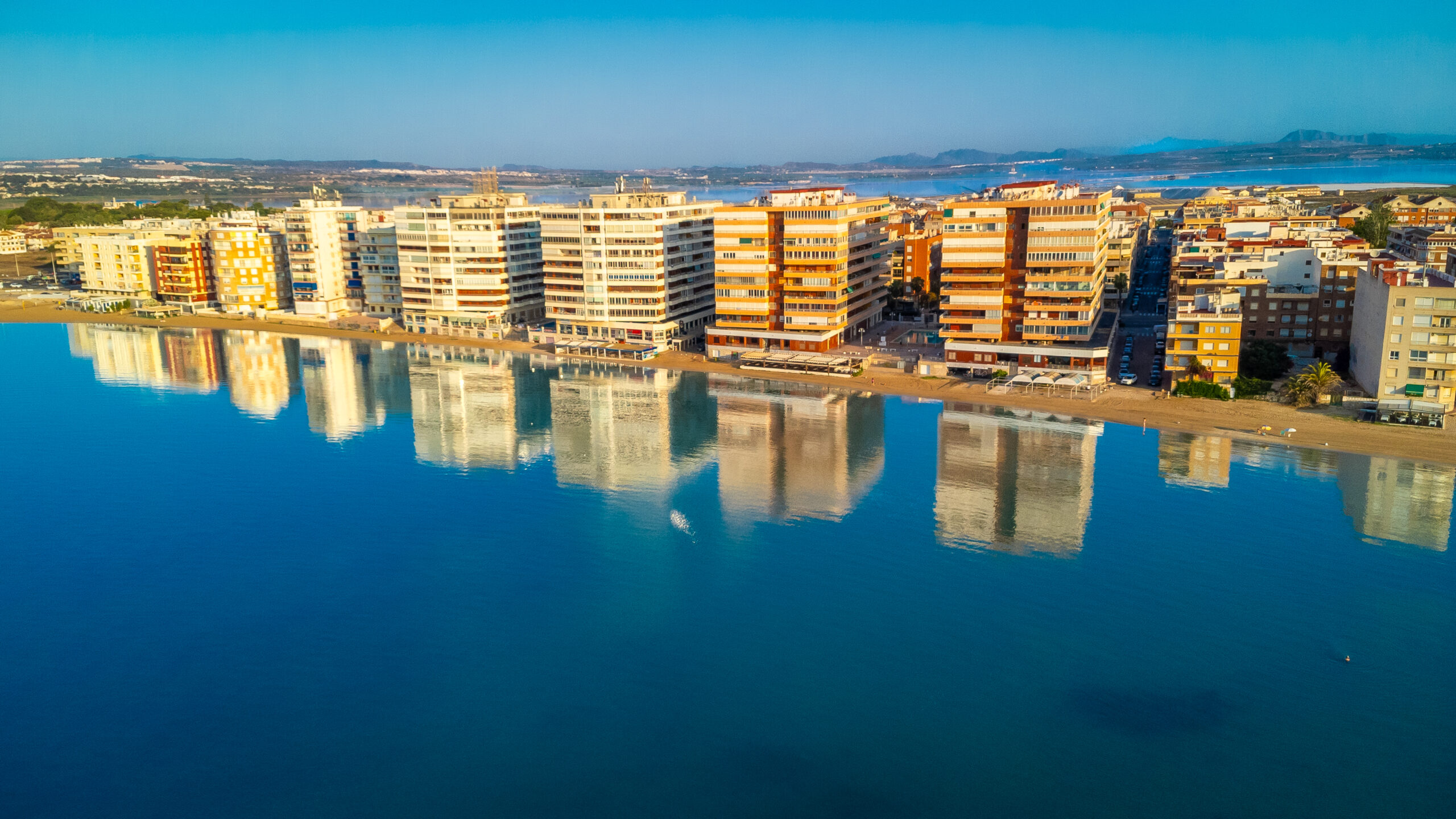
Although the Love the 90s brand tours other major cities, the Alicante edition has a special aura that makes it irreplaceable. The choice of this Mediterranean city to host the annual August event is the result of a perfect equation combining climate, infrastructure and tourist appeal.
The climate and the magic of August nights
Holding an outdoor event always involves risks, but summer in Alicante offers an almost complete guarantee of warm, clear nights. The gentle Mediterranean breeze makes dancing until the early hours extremely pleasant, a world away from the stifling heat of daytime or indoor festivals.
A phenomenon with international impact
The economic and social impact of the festival on the region is enormous. Taking place in August, at the height of the tourist season, the event attracts thousands of people from around the world. Alicante, an international hub thanks to its airport, welcomes British, Nordic, German and Latin American visitors who specifically arrange their summer holidays so that they can attend the event.
This mixture of local residents, Spanish tourists and international visitors creates a unique cosmopolitan atmosphere and sense of togetherness. On the dance floor, language and nationality do not matter; everyone knows how to sing along to the same chorus.
4. The Anatomy of the Festival: Seven Hours of Pure Energy
The organisational success of Love the 90s Alicante lies in its meticulous structure. It is not a random succession of concerts, but a perfectly designed emotional journey running from 7:00 p.m. to 2:30 a.m.
- 7:00 p.m. – The Sunset Ritual: The gates open as the sun begins to set. The first few hours are all about reunions. Thousands of festivalgoers flood into the venue to take photos at themed photocalls, buy merchandise and have dinner in the extensive food truck area. Sets from the resident DJs warm up the atmosphere as night falls over the Mediterranean coast.
- 9:00 p.m. – Two Musical Worlds Come to Life: To encompass the full richness of the decade, the festival usually features separate areas, such as a Dance Stage and a Pop Stage, or clearly differentiated musical sections. This allows festival goers to relive, on the one hand, the legendary singalong dance tracks and dancefloor anthems of European electronic music and, on the other, to pay tribute to the Spanish pop-rock that provided the soundtrack to so many car journeys during the 90s.
- 12.00 a.m. to 2:30 a.m. – The Apotheosis: The Grand Finale: The performances, designed in a fast-paced format lasting between 15 and 25 minutes and featuring only the biggest hits, build towards a spectacular final climax. Fireworks, explosions of confetti, spectacular megamixes and a huge collective farewell leave the audience exhausted but immensely happy.
5. Logistics on a Giant Scale: Ready for the Crowds
Building a “temporary city” capable of accommodating up to 30,000 people safely and comfortably is a colossal challenge that the organisers have refined edition after edition.
- Technical Production: The stages have nothing to envy in the productions of today’s biggest superstars. We are talking about hundreds of square metres of ultra-high-resolution LED screens, tonnes of line array sound equipment designed to minimise acoustic reflections, and a lighting design featuring dozens of lasers sweeping across the esplanade in time with the beat.
- Services and Comfort: Dozens of metres of bar counters are provided to help avoid those dreaded queues, alongside cashless payment systems using electronic wristbands, extensive toilet facilities, rest areas and raised VIP platforms for those looking for a more exclusive experience.
- Safety and Accessibility: With strict access controls, including an over-18s-only policy to maintain an adult leisure environment, extensive emergency medical services and convenient transport options from the city centre, the festival ensures that the only thing attendees need to worry about is having a good time.
6. Fashion and Style: The Dress Code of a Decade
The festival’s visual impact does not come solely from the stage, but also from the audience itself. Attending Love the 90s is like taking part in a huge cosplay event.
Although there is no compulsory dress code, the vast majority of attendees choose to immerse themselves in the style of the era. The venue fills with fluorescent colours, mesh tops, towering platform trainers, flared trousers, dummy necklaces, shell suits and wraparound cycling sunglasses. This visual explosion is more than just a bit of fun; it reinforces the sense of belonging to the “tribe” and heightens the feeling of being completely immersed in the decade.
Conclusion: The Legacy Continues
The Love the 90s Alicante festival has proved beyond doubt that the music of that decade was not a passing trend, but one of the foundations of modern pop culture. What began as a bold celebration of nostalgia has become one of Spain’s most established, popular and best-loved festivals.
In a world that moves at breakneck speed, having the chance to press the pause button every August and feel 20 years old again is a priceless luxury. The aching muscles the next day are always worth it, because if you dance like this once a year, you will always stay young.
To secure your ticket for future editions, relive the best moments or become part of the huge 90s community that keeps the spirit alive throughout the winter, you can visit their official channels:
- Official Website: lovethe90salicante.sharemusic.es
- Instagram Community: @lovethe90s_official
Would you like to enjoy this incredible 90’s music event whenever you want? Find your dream home now with the help of SILC ESTATES and start improving your life today.