
Valencia, the jewel of the Spanish Mediterranean, is a city where the Roman past and the most avant-garde future go hand in hand under an almost perpetual sun. Capital of the Valencian Community and the third largest city in Spain, it offers an amalgam of culture, history and modernity that makes it one of the most sought-after destinations in Europe.
Valencia, the jewel of the Spanish Mediterranean, is a city where the Roman past and the most avant-garde future go hand in hand under an almost perpetual sun. Capital of the Valencian Community and the third largest city in Spain, it offers an amalgam of culture, history and modernity that makes it one of the most sought-after destinations in Europe.
History of Valencia: A 2,000-Year Legacy
The history of Valencia began in 138 BC, when it was founded by the Romans under the name of Valentia Edetanorum. From its beginnings, its strategic location near the Turia River and the sea made it a vital enclave for trade.
After the fall of the Roman Empire, the city passed through Visigothic hands until the arrival of the Muslims in the eighth century, who called it Balansiya. During this time, Valencia flourished thanks to the introduction of advanced irrigation systems that made its orchard one of the most fertile in the world, and the creation of a vibrant silk industry.
In 1238, King James I the Conqueror recovered the city for Christianity, founding the Kingdom of Valencia. The fifteenth and sixteenth centuries marked its “Golden Age”, a period in which Valencia became the economic power of the Crown of Aragon, leaving behind monumental buildings that are now a World Heritage Site.
Valencia and its Importance with the Costa Blanca
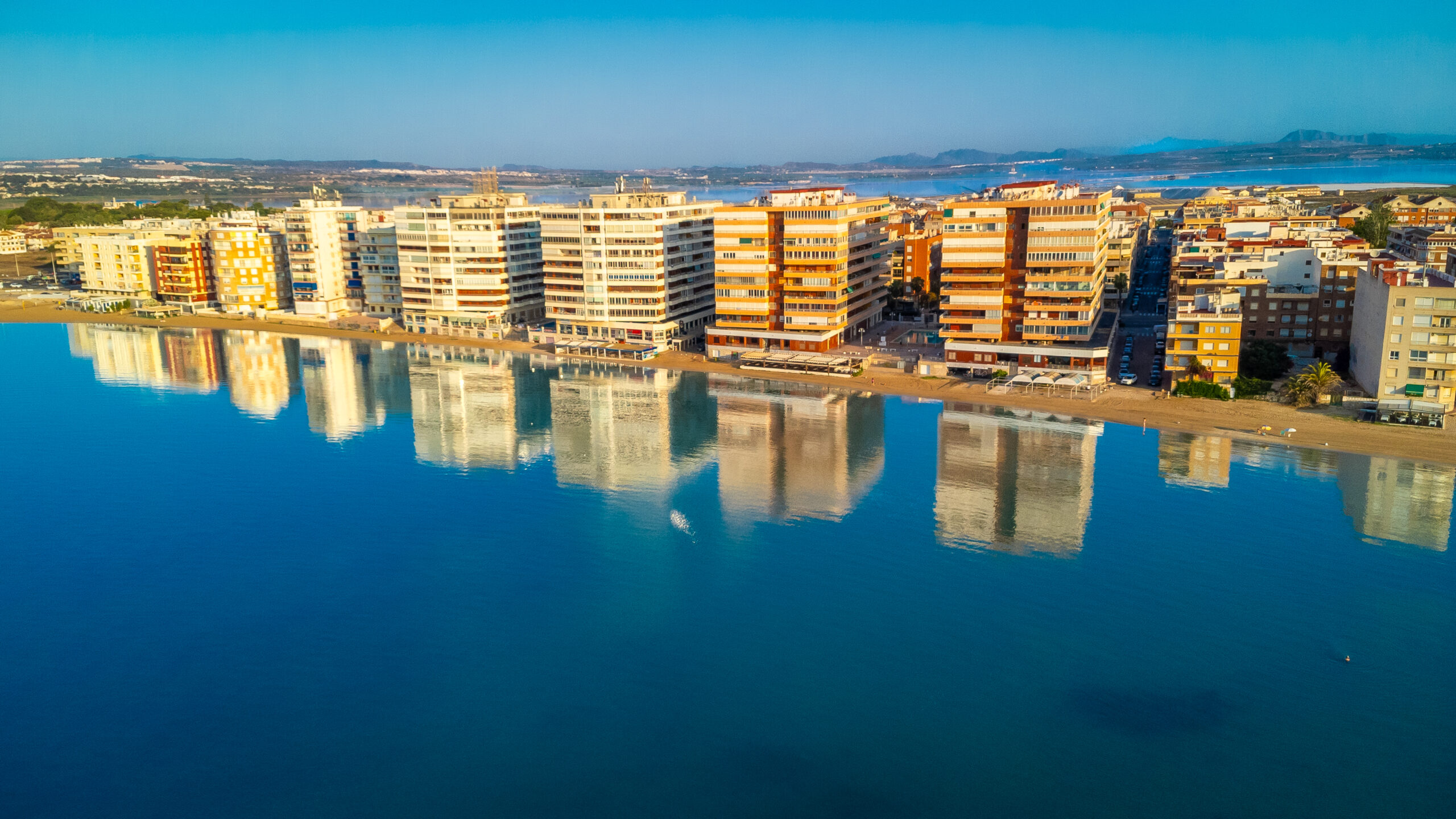
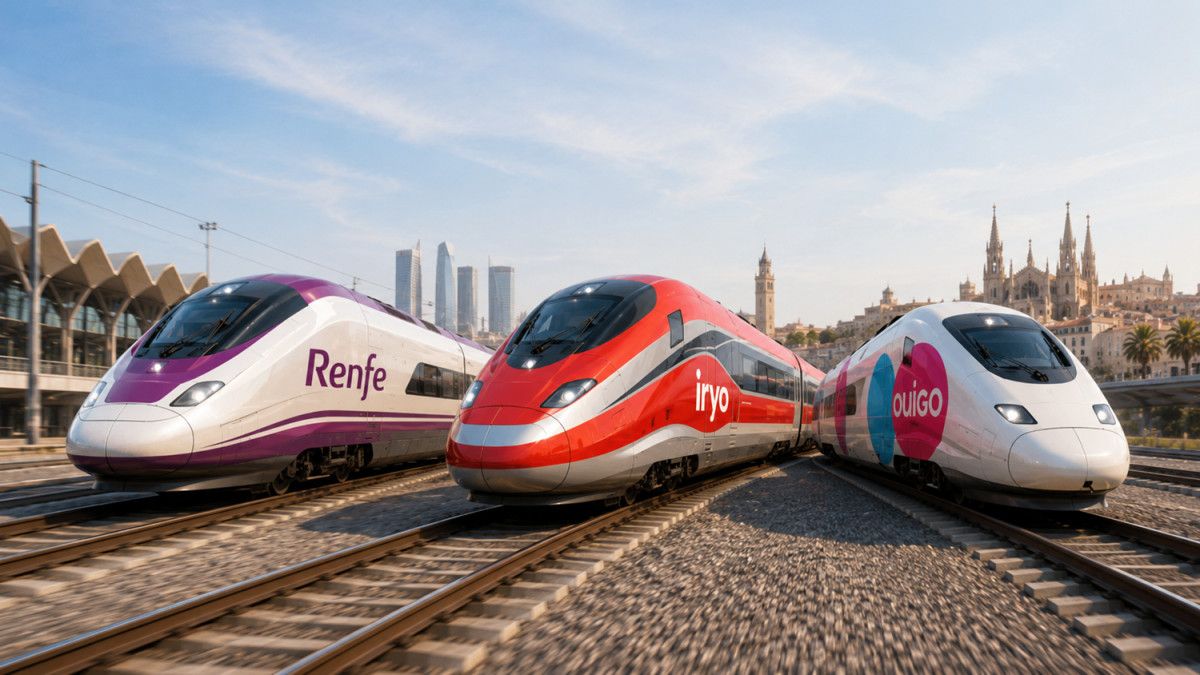
Although technically the Costa Blanca corresponds to the province of Alicante, the city of Valencia acts as the great logistical, cultural and economic engine of the entire Levantine façade. Valencia is the gateway for millions of tourists who land at its airport or arrive via the AVE and then move on to the famous beaches of Denia, Jávea or Benidorm.
The connection between Valencia and the Costa Blanca is symbiotic: while Alicante offers the most iconic sun and beach tourism, Valencia provides the cosmopolitan, commercial and artistic counterpoint. Many foreign residents choose the Costa Blanca for its coves, but they come to Valencia for its museums, opera and luxury services.
A Climate for Living on the Street
Valencia’s climate is, without a doubt, one of its greatest attractions. Classified as mild Mediterranean, the city enjoys more than 300 days of sunshine a year.
- Summers: Hot and humid, ideal for enjoying the beaches of Malvarrosa and El Saler. Temperatures are usually around 30°C.
- Winters: Exceptionally soft. It is rare for the thermometer to drop below 10°C during the day, allowing you to enjoy the terraces even in January.
- Rainfall: Scarce, concentrated mainly in autumn (the famous “cold drop”).
This climate not only favors tourism, but also defines the open and festive character of its inhabitants.
Festivals: Gunpowder, Fire and Tradition
To talk about Valencia is to talk about Las Fallas. Declared Intangible Cultural Heritage of Humanity by UNESCO, these festivities transform the city from March 1 to 19. Hundreds of papier-mâché monuments (fallas) flood the streets to be burned in the Cremà on the night of San José. Gunpowder is the absolute protagonist with the Mascletà, a sound show that makes the floor of the Plaza del Ayuntamiento vibrate every noon.
Other notable celebrations include:
- The Maritime Holy Week: Lived with great fervor in the neighborhoods near the port.
- Corpus Christi: Historically considered “the big festival”, with its famous Rocas (triumphal chariots).
- On October 9: The day of the Valencian Community, where the entry of Jaime I is celebrated with the tradition of the Mocadorà (gift of marzipan sweets).
Essential Places to Visit
Valencia offers contrasts that can be visited in a single day:
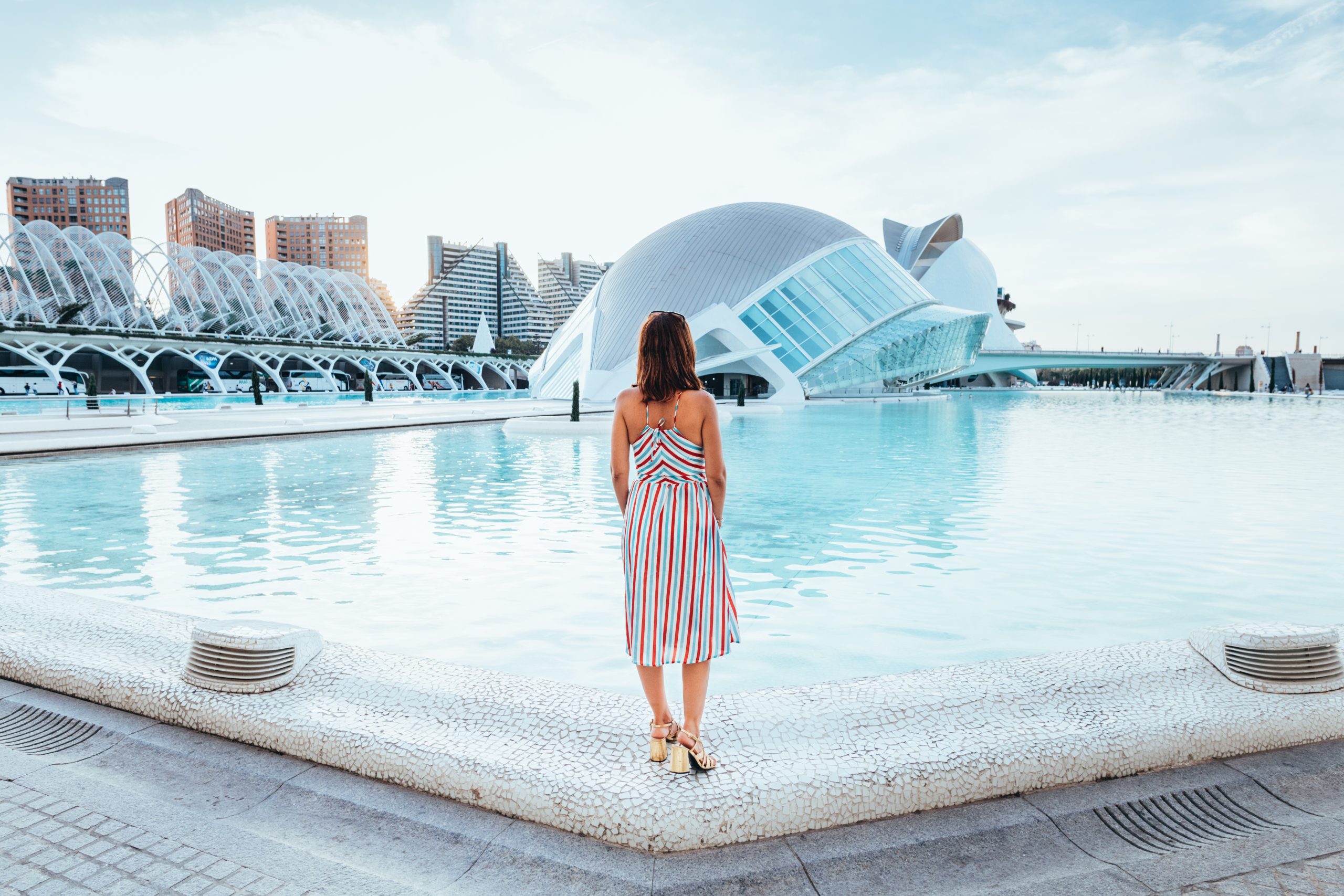
- City of Arts and Sciences: Designed by Santiago Calatrava, it is the symbol of modern Valencia. It includes the Oceanogràfic (the largest aquarium in Europe) and the Science Museum.
- The Silk Exchange: A masterpiece of civil Gothic, a symbol of the city’s historical commercial wealth.
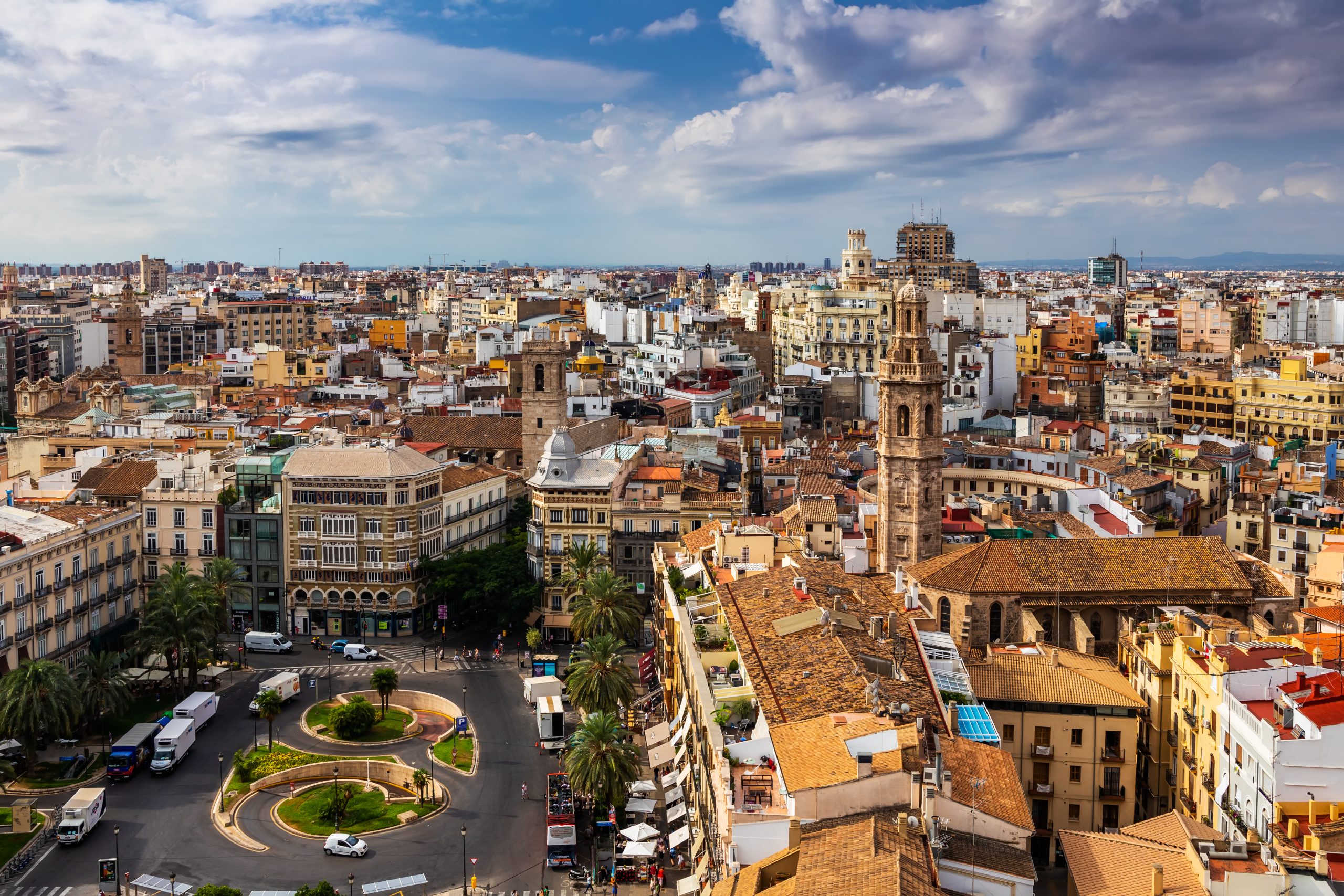
- Valencia Cathedral and the Miguelete: Where the Holy Chalice is kept. Climbing its tower offers the best panoramic view of the old town.
- Central Market: A jewel of Valencian modernism where you can buy the best fresh products from the garden.
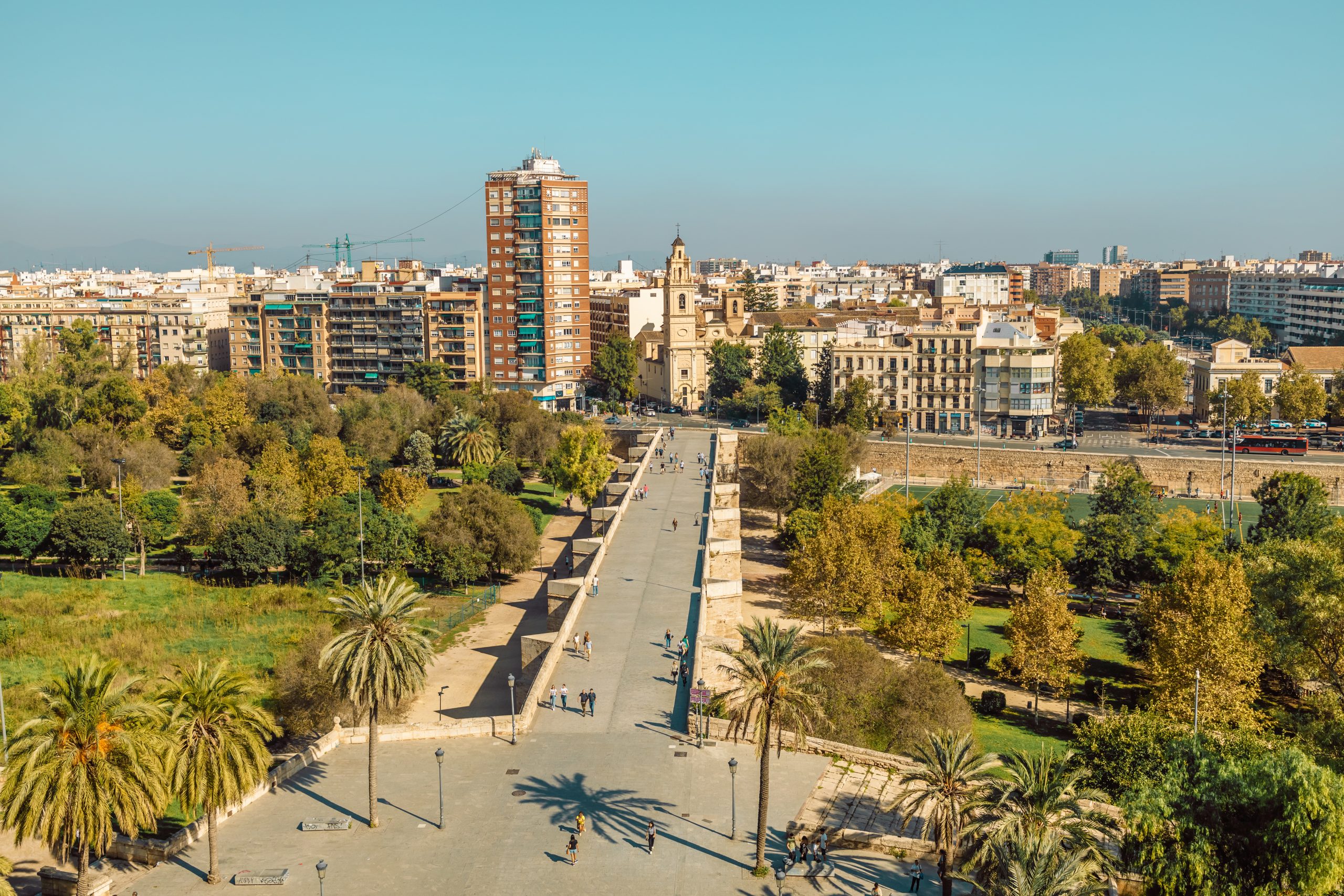
- Turia Garden: An old riverbed converted into a 9-kilometre linear park that crosses the city, ideal for cycling.
History of its Architecture: From Gothic to Futurism
The architecture of Valencia is an open book on its social evolution:
- Valencian Gothic: Characterised by its elegance and austerity, visible in the Serranos Towers and the Lonja.
- Baroque and Renaissance: The façade of the Cathedral and the Palace of the Marquis of Dos Aguas show the exuberance of these times.
- Modernism: At the end of the nineteenth century, the bourgeoisie promoted buildings with floral, iron and ceramic details, such as the Estación del Norte and the Mercado de Colón.
- Vanguard: The 21st century has left an indelible mark with white structures and organic shapes that seem to be taken from a science fiction movie.
Gastronomy: Much more than Paella
Although the Valencian Paella (made with chicken, rabbit, bajoqueta and garrofó) is the star dish, the local gastronomy is immense:
- Rice dishes: Arroz a banda, black rice, arròs amb fessols i naps (rice with beans and turnips) or Fideuà (similar to paella but with thin noodles).
- All i pebre: A traditional stew from the Albufera area made with eels and potatoes.
- Esgarraet: Salad of roasted red pepper and salted cod with lots of olive oil.
- Drinks and Sweets: Tiger nut horchata accompanied by fartons is the snack par excellence. We cannot forget the Agua de Valencia (cocktail of cava, orange juice, gin and vodka) and the famous Valencian citrus fruits.
Valencia is a city that has it all: history, sun, culture and an enviable quality of life. It is the perfect place for those looking for the energy of a big city with the calm of the Mediterranean.
Would you like to buy a house in Spain and enjoy the country whenever you want? Visit www.silcestates.com and we will help you through the process in your own language.