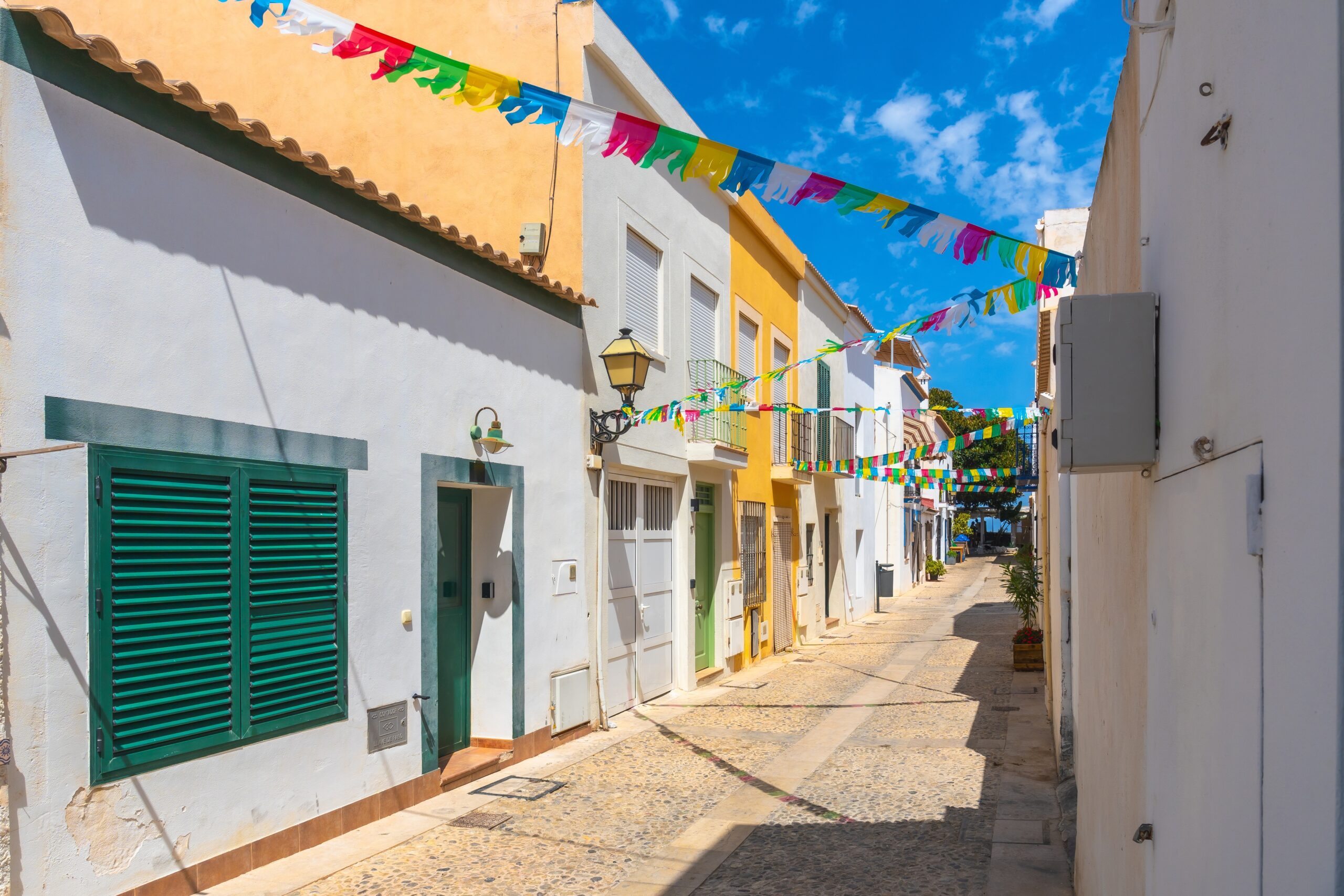
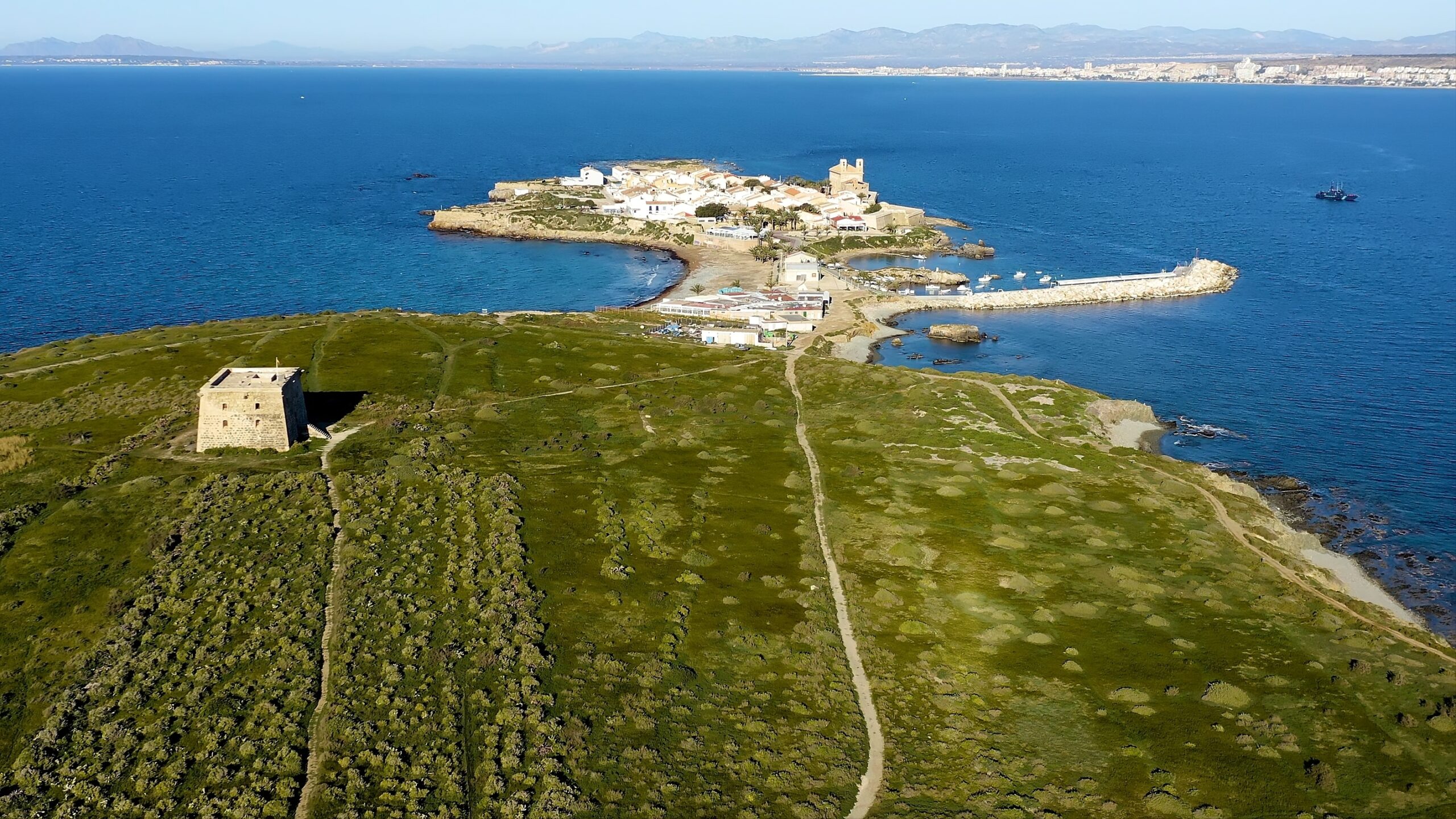
The island of Tabarca (officially known as Nueva Tabarca) is much more than just a seasonal tourist destination. It is a truly unique place along the Spanish coastline. Located off the coast of Alicante, just a short distance from Cape Santa Pola, this small island is the only inhabited island in the Valencian Community. Its crystal-clear waters, protected as part of a Mediterranean Marine Reserve, contrast with a fascinating past shaped by pirates, Spanish kings and the historic rescue of Genoese captives.
1. History and Sovereignty: How Did Tabarca Become Part of Spain?
Before becoming the peaceful haven it is today, the island, formerly known as Isla Plana or Islote de San Pablo, had a turbulent history. For centuries, its strategic position in the western Mediterranean made it a refuge and base for Barbary pirates, who used it to launch attacks on the coastline of the Kingdom of Valencia.
Throughout the Middle Ages and much of the early modern period, the island was administratively linked to the nearby town of Elche. However, it had no permanent population due to the constant threat posed by pirates.
The Rescue and Arrival of the Tabarcans (18th Century)
The turning point in the island’s history came in the 18th century, during the reign of King Charles III of Spain. At the time, the Spanish Empire was involved in disputes in North Africa and had historical ties to the small island fortress of Tabarka, off the coast of present-day Tunisia. The island had been granted to the noble Genoese Lomellini family, who operated a coral fishing business there under Spanish protection.
However, the Bey of Tunis conquered Tabarka and captured hundreds of its inhabitants, who were of Genoese origin but had been living under the protection of the Spanish Crown. Charles III decided to intervene diplomatically and arranged for the ransom of the Genoese captives.
Was Tabarca Always Spanish?
The answer is not entirely straightforward. The island’s original settlers were not Spanish by birth, but descendants of Ligurian (Genoese) families who had settled in North Africa. After their rescue, Charles III decided to relocate them to the uninhabited Isla Plana, off Alicante, in 1760. His aim was twofold: to populate the island and prevent pirates from continuing to use it as a base, while also establishing a strategic defensive settlement.
To encourage the new community to settle, the king granted its inhabitants tax privileges, exemptions and freedom from military service. Military engineer Fernando Méndez de Rasqueta designed the fortified town, and the island was renamed Nueva Tabarca in honour of the settlers’ former home. From then on, it remained firmly under Spanish sovereignty and eventually became administratively part of Alicante, where it is now officially recognised as a rural district of the city.
2. Population and Demographic Changes
Tabarca’s population has experienced dramatic changes over the centuries:
- The Early Years (Late 18th Century): Following the settlement established by Charles III, just over 300 people made the island their home, mainly fishing families of Genoese origin. At the time, the predominant language was not Valencian but a variation of Ligurian known as Tabarchino, which continued to be spoken alongside Spanish and Valencian for generations.
- Economic Prosperity (19th Century): By the mid-19th century, the island was enjoying its golden age thanks to almadraba fishing, a traditional method of catching tuna using a system of nets. The population grew considerably, eventually exceeding 1,000 residents.
- Decline and Migration (20th and 21st Centuries): As traditional fishing resources declined, the lack of basic infrastructure (including reliable drinking water and electricity until relatively recently) and limited employment opportunities led to a mass exodus to the mainland, particularly to Santa Pola, Alicante and Elche.
- Today: Tabarca now has a very small registered population, with only around 60 people living on the island permanently during the winter months. However, in summer, the island comes alive with thousands of day visitors, transforming this otherwise peaceful retreat into a bustling holiday destination.
3. What Does Tabarca Have to Offer? Attractions and Heritage
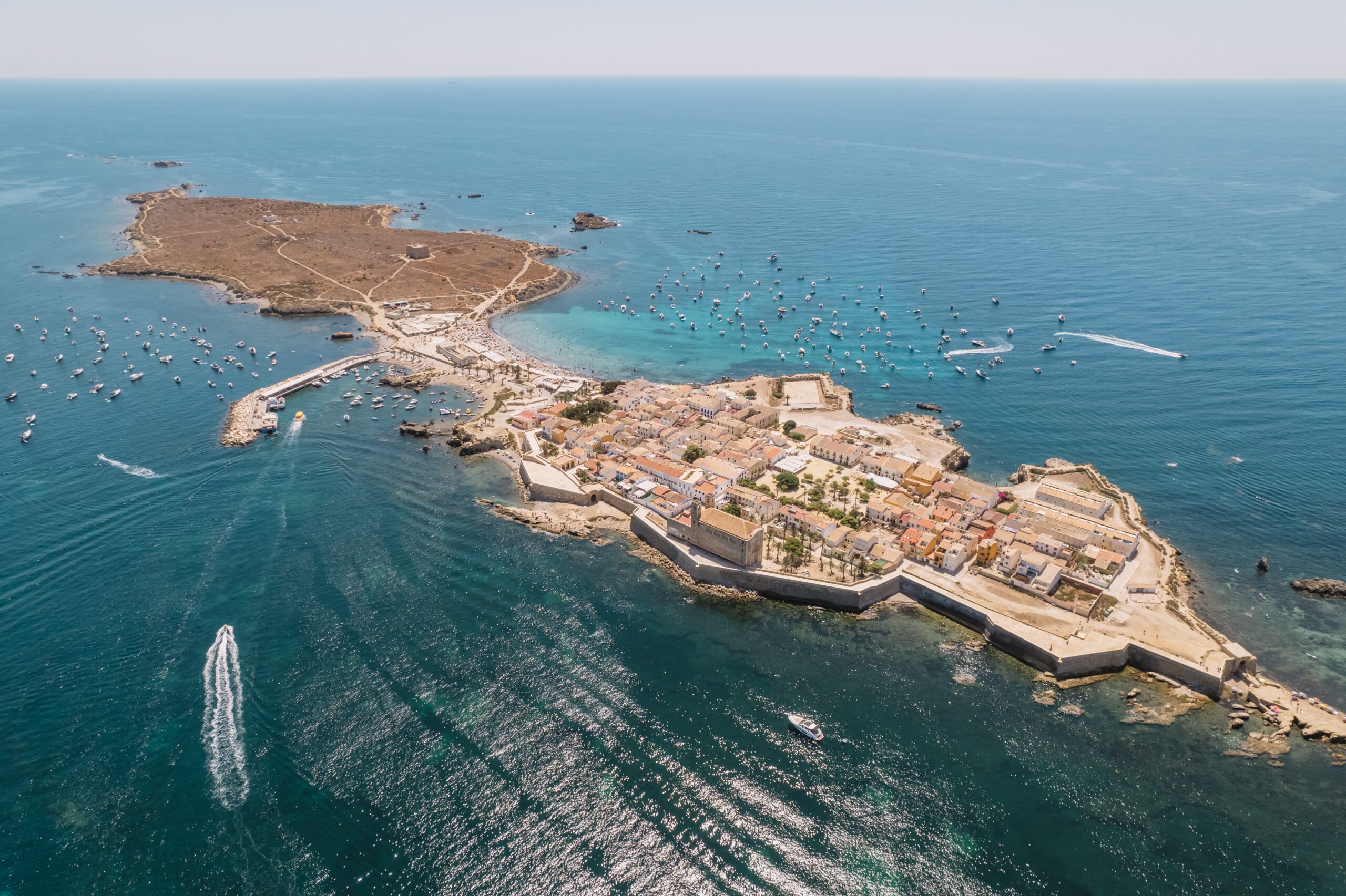
Despite its tiny size (approximately 1,800 metres long and 400 metres wide), Tabarca is packed with natural beauty and fascinating historical landmarks:
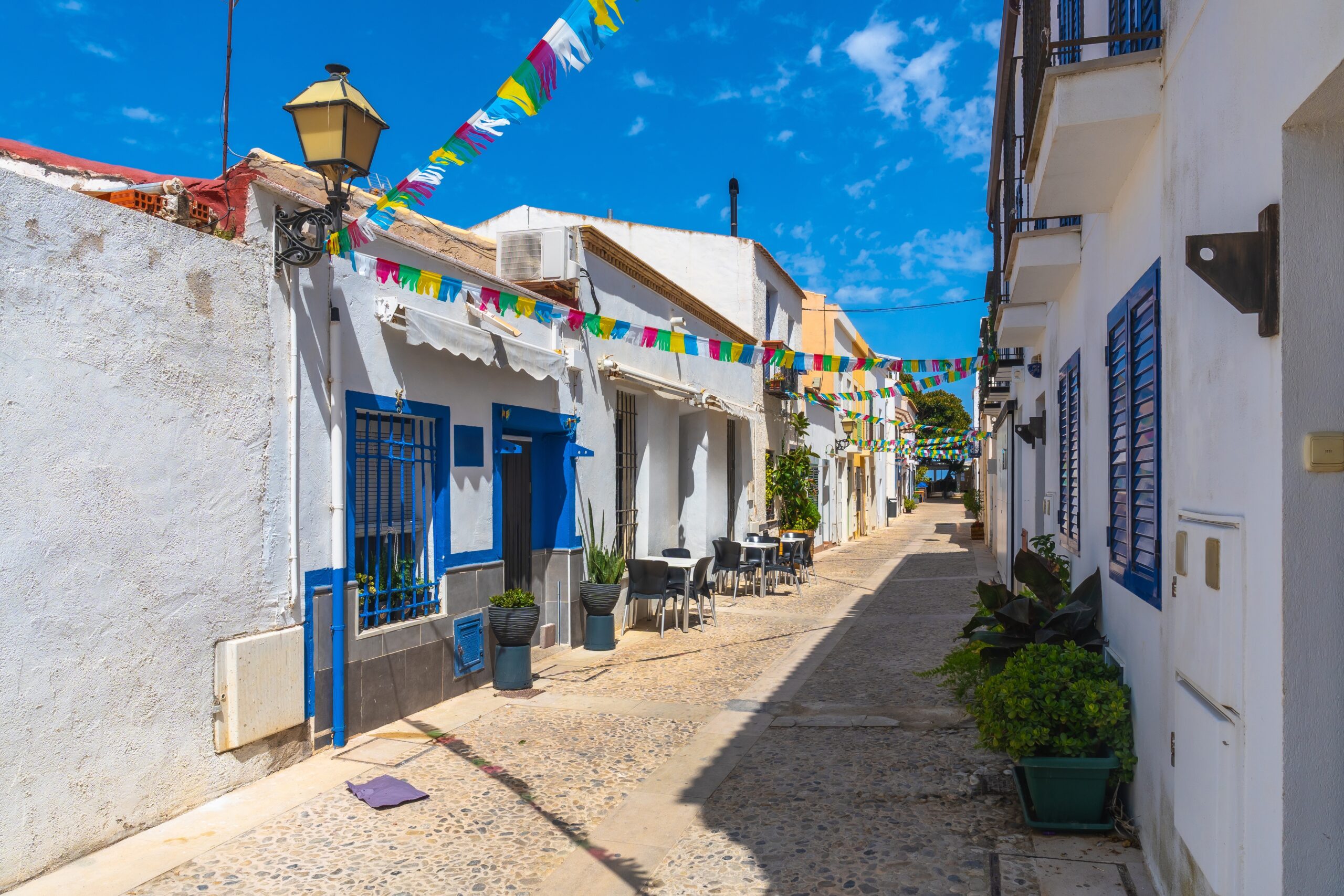
- The Walled Town: Officially declared a Historic-Artistic Site and a Site of Cultural Interest (BIC). Visitors can admire the old stone walls, restored entrance gates (including San Miguel, San Rafael and La Alicante) and the Church of St Peter and St Paul, built in the late 18th century.
- The Tower of San José: Located towards the western end of the island, this imposing watchtower was once used as a military prison during the 19th century.
- Tabarca Lighthouse: Situated at the eastern end of the island, the lighthouse began operating in the 19th century and offers spectacular views across the open Mediterranean Sea.
- Coves and Beaches: The island combines low rocky cliffs with small, sheltered coves and beautifully clear turquoise waters, perfect for swimming and relaxing.
- The Marine Reserve: Established in 1986, it was Spain’s first marine reserve. Its seabed is home to meadows of Posidonia oceanica seagrass and an exceptional variety of protected marine life, making it a paradise for snorkelling and diving.
4. Local Gastronomy: The Home of Caldero
No visit to Tabarca would be complete without discovering its traditional seafood cuisine. The island’s gastronomy revolves around fresh, locally caught fish and seafood, with rice dishes and rockfish taking centre stage.
- Caldero Tabarquino: Without doubt, the island’s signature dish. Unlike other versions of caldero found in Murcia and Alicante, Tabarca’s traditional recipe uses locally caught rockfish such as scorpionfish, common dentex and greater amberjack. It is served in two courses: first, a platter of prepared fish accompanied by potatoes and plenty of alioli (garlic mayonnaise); followed by a delicious rice dish, either dry or slightly creamy, cooked in the rich, concentrated fish stock.
- Other Local Delicacies: Grilled squid, sea bream baked in salt, fresh local shellfish and traditional salted seafood appetisers, such as fish roe and mojama (salt-cured tuna), complete an unforgettable Mediterranean dining experience.
5. How to Visit Tabarca (Routes and Transport)
Getting to Tabarca is surprisingly easy thanks to regular boat services operating from several locations along the Alicante coastline. Santa Pola is the closest departure point, situated approximately three nautical miles from the island.
From Santa Pola
As the closest mainland port to the island, Santa Pola offers the shortest crossing, taking approximately 15 to 25 minutes:
- Regular Boats and Tourist Catamarans: Companies such as Transtabarca and Naviera Isla de Tabarca offer frequent departures, often almost hourly during the high season. Many of these boats feature underwater viewing windows, allowing passengers to observe the marine reserve’s fascinating underwater world during the crossing.
- Water Taxis (Speedboats and Taxi Boats): Ideal for visitors looking for greater flexibility or a faster journey. Local operators run speedboat services that reach the island in as little as 15 minutes. Tickets are often flexible, allowing passengers to return on the same day or on a later date.
From Alicante
If you are staying in Alicante city, the journey is slightly longer, taking approximately 50 to 60 minutes and covering around 10 nautical miles.
- Kontiki and Regular Boat Services: The iconic Kontiki boat and other tourist vessels operate daily departures from Alicante’s harbour, opposite the Explanada de España, during the spring and summer months. It is a wonderful excursion, offering a longer cruise across the Bay of Alicante before the island’s distinctive fortified skyline comes into view.
With its tales of pirates, charming whitewashed streets, traditional fishing heritage and steaming plates of caldero enjoyed beside the sea, Tabarca captures the true essence of the Mediterranean.
6. Your Mediterranean Retreat: Make Tabarca Part of Your Life All Year Round
Tabarca is not just a destination for the summer months. Its enviable climate and relaxed pace of life make it a wonderful place to visit 365 days a year. Imagine escaping the hustle and bustle of everyday life to stroll along its historic walls in the middle of winter, enjoying the peace and quiet and glorious sunshine overlooking the Mediterranean.
Owning a property on the Alicante coast means you can enjoy experiences like this whenever you wish, turning a simple weekend getaway into part of your everyday lifestyle. Whether you dream of a sea-view apartment or an exclusive villa close to the coast, specialist estate agency SILC ESTATES offers expert guidance throughout the property-buying process in Spain, helping you turn your Mediterranean dream into reality.